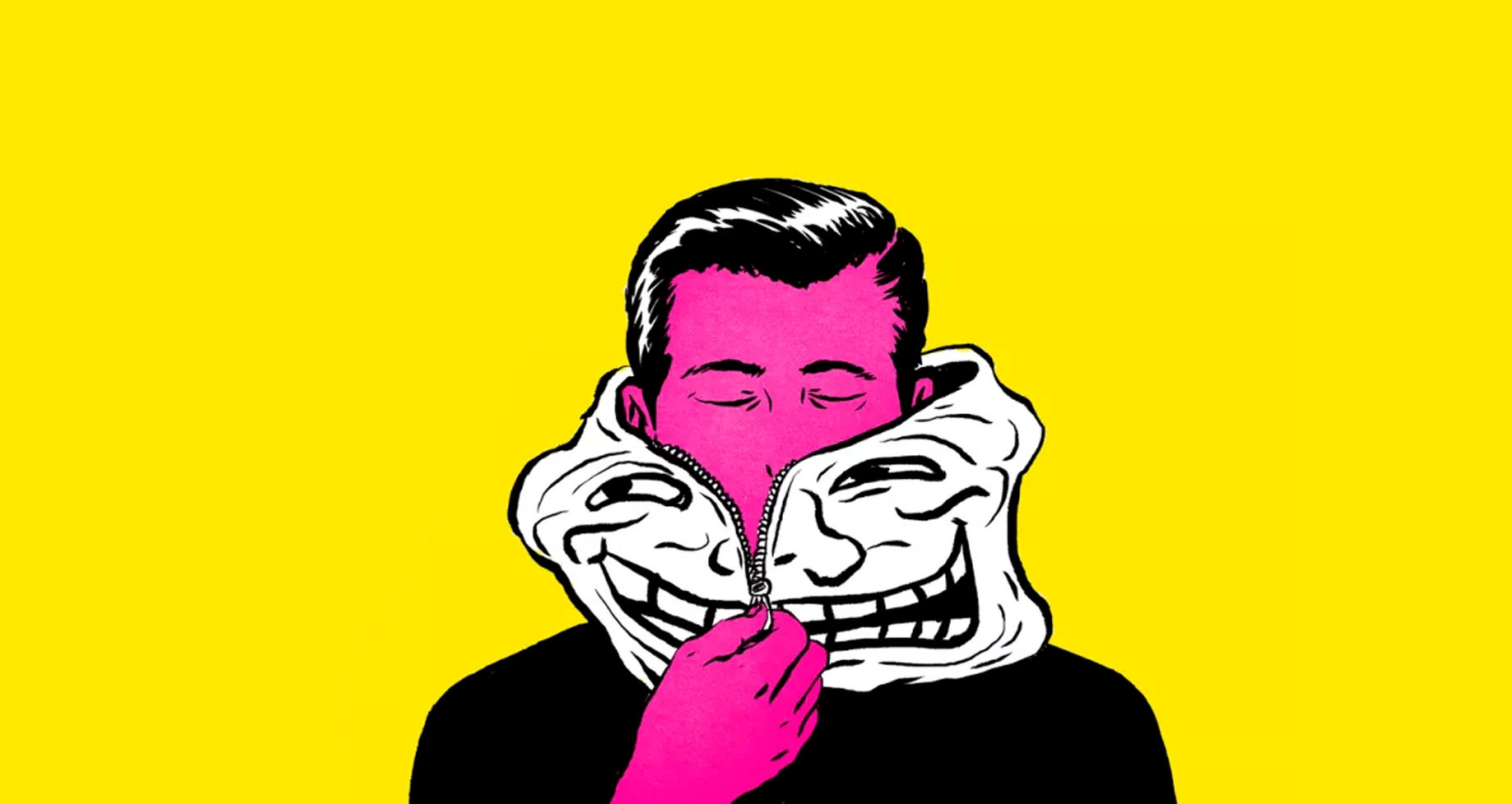
Change Starts With the Eyes Not the Ears
The number one problem that change agents have in leading organizational change is the resistance from middle and senior managers and professionals. They don’t respond well to change programs.
Potential change threatens their self-esteem. Their
(1) Value – in classic organizational terms their status might be threatened.
(2) Competence - they might not know how to handle new procedures and approaches.
(3) Influence – in a new situation their decisions might not be respected and their networks of influence might be altered.
From their point of view they have a lot to lose, so they find a “thousand ways” to delay, avoid or resist change.
The other problem with most change agents is that they don’t understand the extraordinarily powerful relationship between our two minds – the rational, Rider mind and the emotional, Elephant mind. They take the usual approach to change by producing a report describing the present and the future in terms of words and numbers – all very rational and easy to resist.
They don’t understand that our Elephant mind has evolved to be driven by one rule: “Bad is stronger than good.” Threats to certainty and self-esteem are “bad”. So, it constantly floods the Rider with impressions, feeling and judgments that see the present in terms of the past in order to maintain a sense of certainty and to avoid any potential threats to our sense of self-esteem.
Doctors: You Can’t “Tell” Them Anything
My favorite failing 2007 change program was the effort to get doctors to wash their hands at the famous Cedar-Sinai hospital in Los Angeles. The hospital was facing an accreditation inspection and needed to get its hand-washing rate up.
Doctors have known since 1847 that poor hand hygiene has been sickening people in hospitals. But knowing is not doing. There is a deluge of research showing that health professionals wash their hands only about half as often as they should and doctors are the worst offenders.
Dr. Leon Bender, former chief of staff at Mount Sinai, took over a program to improve doctors’ hand washing habits. He collected data and found that simply reporting the problem didn’t work.
First, the doctors defended their status. They were independent professionals, no one could tell them what to do, and they considered the accreditation inspection a nuisance.
Second, they defended themselves with:
(1) Denial and blame - “I’m a Dr., I don’t carry “bad bugs.” or “I always wash my hands, it’s the other personnel, not me.” (In one study, Drs. estimated their hand-washing rate at 73% but they were observed doing it only 7% of the time.)
(2) Rationalization: “I’m too busy. I’m never near a sink.” When the hospital increased the number and accessibility of Purell dispensers, rates improved only slightly.
When Dr. Paul Silka, Chief of Staff, joined the program and tried to get his colleagues attention with a flood with e-mails and faxes there wasn’t much change. So, he organized a team that took to the parking lot to hand out Purell bottles to doctors as they got out of their cars. He also had “nurse spies” observing them on the wards. When doctors were observed washing their hands someone came up and offered them a $10 Starbuck coffee card. They reported back to Dr. Silka that hand-washing rates were going up but they were nowhere near the high standards expected by the accreditation inspectors.
This discouraging data was presented by the hospital’s chief epidemiologist to the hospital’s executive committee. It included 20 top doctors. After which she said, “I’d love to culture your hands” and handed each of them a sterile petri dish loaded with a spongy layer of agar (a natural gel that provides a growth medium for microorganisms). She cultured them in her lab and, as shown in the right dish, she found that like regular human beings, doctors’ hands carried germs. Then she photographed them and distributed the photographs. The images were disgusting and striking. Whole colonies of bacteria are hard to ignore.
What the epidemiologist did was use the visual perception system – evolutionarily far older than our thought and speech system - to get directly to the Elephant’s “bad is stronger than good” reactions. You can’t rationally defend yourself against the emotions generated by a handprint of germs with your name on it.
The next thing the committee did was brilliant. They turned the right plates into screensavers that haunted every doctor’s computer in the hospital. Every time they opened their desktop, there it was. Again, Dr. Silva’s team was using the Elephant’s reactivity to advantage.
In almost every situation, the very next thing we do is triggered by cues read by the Elephant. It provides the Rider mind with instant choices of thought and action so we don’t have to deliberate about everything. Habits work. They’re our way of being mentally efficient so that we’re rarely “lost in thought” in everyday situations. The relentless computer images simply primed doctors’ Rider minds to do “the next thing” before leaving their offices – wash their hands. Compliance rates topped out near 100% - above the 90% rate set by accreditation group. As Dr. Bender said, it’s hard to change the behavior of people who’ve been practicing medicine for decades but if you give them good data they can change rapidly. It wasn’t just good data, it was visual data.
To start any change process people need to “see” what needs to be changed. So, literally use a visual to bypass their Rational Rider mind’s defenses so their Elephants can react and flood the Rider with options about what might need to happen. Beginning with reports, statistics and verbal descriptions is a mistake.
Give them a picture, and if it tells a story even better. Remember, weeks of relentless reporting of the numbers of middle-eastern refugees being pushed out of their homelands by war did not move Europeans to develop coherent short-term policies for accepting them. This photo did.
You may also like

Creating Calm In the Midst of Chaos

There’s Politics and Then There’s Uncivil Leadership